Buy dzug.eu ?
We are moving the project
dzug.eu .
Are you interested in purchasing the domain
dzug.eu ?
domain@kv-gmbh.de · 0541-91531010
Buy dzug.eu ?
How do I calculate the heat output and heat input, and then the efficiency?
To calculate the heat output, you need to know the amount of heat energy released by the system. This can be calculated using the formula: Q = mcΔT, where Q is the heat energy, m is the mass of the substance, c is the specific heat capacity, and ΔT is the change in temperature. To calculate the heat input, you need to know the amount of heat energy supplied to the system. This can be calculated using the formula: Q = mcΔT, where Q is the heat energy, m is the mass of the substance, c is the specific heat capacity, and ΔT is the change in temperature. To calculate the efficiency, you can use the formula: Efficiency = (Heat output / Heat input) * 100%. This will give you the percentage of the input energy that is converted into useful output energy. **
How can one heat water using hypersonic technology?
Hypersonic technology can be used to heat water by utilizing the intense heat generated from the high-speed movement of air or gas. This can be achieved by using a hypersonic combustion chamber to create extremely high temperatures, which can then be used to heat water directly or to generate steam for various applications. Additionally, hypersonic technology can also be used to harness the kinetic energy of the high-speed airflow to drive turbines, which can then be used to generate electricity for heating water. Overall, hypersonic technology offers a potential means to efficiently and rapidly heat water for various industrial and commercial purposes. **


Similar search terms for Heat
Top-Angebote
Products related to Heat:
-
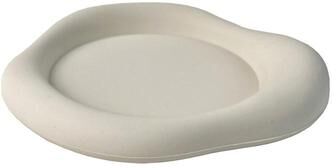
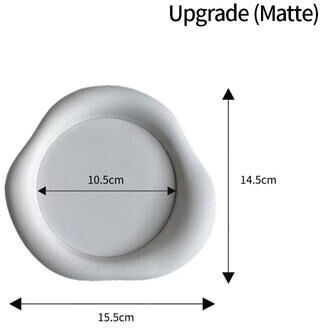
Snug & Styled Cloud Shaped Silicone Coaster Heat Resistant Cup Mat & Jewelry Tray whiteBring charm and practicality to your home with this adorable heat resistant coaster 2pcs that doubles as a convenient storage tray. Designed for coffee lovers, tea drinkers, and anyone who enjoys an organized space, it safely protects tabletops from...39,97 $*Shipping: 0,00 $Secure redirect to the provider
-
Inspired Deals Cloud Silicone Coaster Tray Heat Resistant Non Slip Jewelry Holder Dish whiteKeep your space effortlessly tidy while protecting surfaces with this versatile silicone coaster that doubles as a stylish storage tray. Designed for modern homes, its perfect for anyone who values both function and aesthetics. Crafted from...49,97 $*Shipping: 0,00 $Secure redirect to the provider
-
Uplift Picks Cloud Shape Silicone Drink Coasters Heat Resistant Non Slip Cup Mat graySmall details can instantly soften the feel of a space, and these cloud shape coasters do exactly that. Designed to protect your surfaces while adding a playful, modern touch, they combine style with everyday function. Made from flexible silicone...24,49 $*Shipping: 0,00 $Secure redirect to the provider
-
Do heat pumps with inverter technology require a buffer storage tank?
Heat pumps with inverter technology do not necessarily require a buffer storage tank, as the inverter technology allows the heat pump to modulate its output to match the heating or cooling demand of the building. This means that the heat pump can adjust its capacity based on the building's needs, reducing the need for a buffer storage tank to store excess energy. However, in some cases, a buffer storage tank may still be beneficial to optimize the performance and efficiency of the heat pump system, especially in larger or more complex heating and cooling systems. Ultimately, the need for a buffer storage tank will depend on the specific requirements and design of the heating and cooling system. **
-
Is the technical diploma in automation technology difficult?
The difficulty of the technical diploma in automation technology can vary depending on the individual's background, experience, and aptitude for the subject matter. Some students may find the coursework challenging due to the complex concepts and technical skills required, while others with a strong foundation in math, science, and technology may find it more manageable. Overall, dedication, hard work, and a genuine interest in automation technology can help students succeed in completing the program. **
-
How are electronics technicians trained for automation technology?
Electronics technicians are trained for automation technology through a combination of formal education and on-the-job training. They typically complete a post-secondary program in electronics or a related field, where they learn about electrical circuits, digital electronics, and control systems. Additionally, they receive specialized training in automation technology, which includes learning about programmable logic controllers (PLCs), industrial robotics, and process control systems. This training may also involve hands-on experience with automation equipment and systems in a lab or industrial setting. Overall, electronics technicians are trained to understand and troubleshoot the complex systems used in automation technology. **
-
Is the electronics technician for automation technology difficult?
Becoming an electronics technician for automation technology can be challenging, as it requires a strong understanding of electrical systems, programming, and automation technology. The field is constantly evolving, so technicians must stay updated on the latest advancements and technologies. However, with dedication and the right training, individuals can develop the skills and knowledge needed to succeed in this role. It may be difficult at times, but the opportunities for growth and the potential to work on cutting-edge technology make it a rewarding career choice for those passionate about automation. **


What is heat conduction and heat convection?
Heat conduction is the transfer of heat through a material or between materials that are in direct contact with each other. It occurs through the vibration and collision of atoms and molecules, leading to the transfer of thermal energy. On the other hand, heat convection is the transfer of heat through the movement of fluids, such as air or water. This occurs as warmer, less dense fluid rises and cooler, denser fluid sinks, creating a continuous circulation of heat transfer. Both heat conduction and heat convection are important mechanisms for the transfer of heat in various natural and engineered systems. **
Which material absorbs heat without storing heat?
A material that absorbs heat without storing it is one that has a high thermal conductivity and low heat capacity. This means that it can quickly absorb heat and transfer it away without retaining much of the heat energy. Examples of such materials include metals like aluminum and copper, as well as certain types of ceramics and carbon-based materials. These materials are often used in applications where rapid heat absorption and dissipation are required, such as in heat sinks for electronic devices or in cooking utensils. **
Top-Angebote
Products related to Heat:
-
Inspire Picks Cozy Therm Self Warming Cat Mat With Heat Retention Technology mGive your pet a warm and cozy place to relax with this self warming cat mat designed to provide comfort in every season. Featuring heatretention technology, this soft pet bed pad reflects your pet's natural body warmth to create a comfortable...34,93 $*Shipping: 0,00 $Secure redirect to the provider
-
Ring Battery Video Doorbell Pro – Advanced Home Security & Connectivity, NewUpgrade your home security with the Ring Battery Video Doorbell Pro – Wireless Video Doorbell Security Camera . Designed to give you peace of mind, it delivers a head-to-toe 1536p HD view so you can see every detail clearly, from visitors to parcels at your doorstep. With advanced 3D Motion Detection and Bird’s Eye View , you’ll always know what’s happening around your home. The built-in colour night vision ensures crisp images even in the dark, while the wire-free battery design makes installation simple and flexible. Stay connected anywhere with instant notifications, two-way talk, and full integration with the Ring app, Alexa devices, and more. ✔️ Wireless video doorbell – Easy to install with a rechargeable battery, no wiring needed ✔️ 1536p HD head-to-toe view – See visitors and packages clearly in high definition ✔️ 3D Motion Detection & Bird’s Eye View – Advanced alerts and aerial perspective for extra security ✔️ Colour night vision – Crystal-clear video even in low light or darkness ✔️ Two-way talk with noise cancellation – Hear and speak to visitors in real time ✔️ Customisable motion zones – Focus on the areas that matter most ✔️ Smart alerts & notifications – Instant updates on your phone via the Ring app ✔️ Alexa compatible – Works seamlessly with Echo devices for hands-free monitoring ✔️ Quick-release battery pack – Easy to recharge and swap for uninterrupted security ✔️ Durable design – Built to withstand outdoor weather conditions The Ring Battery Video Doorbell Pro combines advanced motion detection, high-definition video, and smart home integration in one sleek device. Perfect for enhancing your home security, it ensures you never miss a visitor or delivery, day or night.174,49 £*Shipping: 0,00 £Secure redirect to the provider
-
Snug & Styled Cloud Shaped Silicone Coaster Heat Resistant Cup Mat & Jewelry Tray whiteBring charm and practicality to your home with this adorable heat resistant coaster 2pcs that doubles as a convenient storage tray. Designed for coffee lovers, tea drinkers, and anyone who enjoys an organized space, it safely protects tabletops from...39,97 $*Shipping: 0,00 $Secure redirect to the provider
-
How do I calculate the heat output and heat input, and then the efficiency?
To calculate the heat output, you need to know the amount of heat energy released by the system. This can be calculated using the formula: Q = mcΔT, where Q is the heat energy, m is the mass of the substance, c is the specific heat capacity, and ΔT is the change in temperature. To calculate the heat input, you need to know the amount of heat energy supplied to the system. This can be calculated using the formula: Q = mcΔT, where Q is the heat energy, m is the mass of the substance, c is the specific heat capacity, and ΔT is the change in temperature. To calculate the efficiency, you can use the formula: Efficiency = (Heat output / Heat input) * 100%. This will give you the percentage of the input energy that is converted into useful output energy. **
-
How can one heat water using hypersonic technology?
Hypersonic technology can be used to heat water by utilizing the intense heat generated from the high-speed movement of air or gas. This can be achieved by using a hypersonic combustion chamber to create extremely high temperatures, which can then be used to heat water directly or to generate steam for various applications. Additionally, hypersonic technology can also be used to harness the kinetic energy of the high-speed airflow to drive turbines, which can then be used to generate electricity for heating water. Overall, hypersonic technology offers a potential means to efficiently and rapidly heat water for various industrial and commercial purposes. **
-
Do heat pumps with inverter technology require a buffer storage tank?
Heat pumps with inverter technology do not necessarily require a buffer storage tank, as the inverter technology allows the heat pump to modulate its output to match the heating or cooling demand of the building. This means that the heat pump can adjust its capacity based on the building's needs, reducing the need for a buffer storage tank to store excess energy. However, in some cases, a buffer storage tank may still be beneficial to optimize the performance and efficiency of the heat pump system, especially in larger or more complex heating and cooling systems. Ultimately, the need for a buffer storage tank will depend on the specific requirements and design of the heating and cooling system. **
-
Is the technical diploma in automation technology difficult?
The difficulty of the technical diploma in automation technology can vary depending on the individual's background, experience, and aptitude for the subject matter. Some students may find the coursework challenging due to the complex concepts and technical skills required, while others with a strong foundation in math, science, and technology may find it more manageable. Overall, dedication, hard work, and a genuine interest in automation technology can help students succeed in completing the program. **
Similar search terms for Heat
-
Inspired Deals Cloud Silicone Coaster Tray Heat Resistant Non Slip Jewelry Holder Dish whiteKeep your space effortlessly tidy while protecting surfaces with this versatile silicone coaster that doubles as a stylish storage tray. Designed for modern homes, its perfect for anyone who values both function and aesthetics. Crafted from...49,97 $*Shipping: 0,00 $Secure redirect to the provider
-
Uplift Picks Cloud Shape Silicone Drink Coasters Heat Resistant Non Slip Cup Mat graySmall details can instantly soften the feel of a space, and these cloud shape coasters do exactly that. Designed to protect your surfaces while adding a playful, modern touch, they combine style with everyday function. Made from flexible silicone...24,49 $*Shipping: 0,00 $Secure redirect to the provider
-
Inspire Picks Cozy Therm Self Warming Cat Mat With Heat Retention Technology lGive your pet a warm and cozy place to relax with this self warming cat mat designed to provide comfort in every season. Featuring heatretention technology, this soft pet bed pad reflects your pet's natural body warmth to create a comfortable...36,12 $*Shipping: 0,00 $Secure redirect to the provider
-
Inspire Picks Cozy Therm Self Warming Cat Mat With Heat Retention Technology sGive your pet a warm and cozy place to relax with this self warming cat mat designed to provide comfort in every season. Featuring heatretention technology, this soft pet bed pad reflects your pet's natural body warmth to create a comfortable...34,93 $*Shipping: 0,00 $Secure redirect to the provider
-
How are electronics technicians trained for automation technology?
Electronics technicians are trained for automation technology through a combination of formal education and on-the-job training. They typically complete a post-secondary program in electronics or a related field, where they learn about electrical circuits, digital electronics, and control systems. Additionally, they receive specialized training in automation technology, which includes learning about programmable logic controllers (PLCs), industrial robotics, and process control systems. This training may also involve hands-on experience with automation equipment and systems in a lab or industrial setting. Overall, electronics technicians are trained to understand and troubleshoot the complex systems used in automation technology. **
-
Is the electronics technician for automation technology difficult?
Becoming an electronics technician for automation technology can be challenging, as it requires a strong understanding of electrical systems, programming, and automation technology. The field is constantly evolving, so technicians must stay updated on the latest advancements and technologies. However, with dedication and the right training, individuals can develop the skills and knowledge needed to succeed in this role. It may be difficult at times, but the opportunities for growth and the potential to work on cutting-edge technology make it a rewarding career choice for those passionate about automation. **
-
What is heat conduction and heat convection?
Heat conduction is the transfer of heat through a material or between materials that are in direct contact with each other. It occurs through the vibration and collision of atoms and molecules, leading to the transfer of thermal energy. On the other hand, heat convection is the transfer of heat through the movement of fluids, such as air or water. This occurs as warmer, less dense fluid rises and cooler, denser fluid sinks, creating a continuous circulation of heat transfer. Both heat conduction and heat convection are important mechanisms for the transfer of heat in various natural and engineered systems. **
-
Which material absorbs heat without storing heat?
A material that absorbs heat without storing it is one that has a high thermal conductivity and low heat capacity. This means that it can quickly absorb heat and transfer it away without retaining much of the heat energy. Examples of such materials include metals like aluminum and copper, as well as certain types of ceramics and carbon-based materials. These materials are often used in applications where rapid heat absorption and dissipation are required, such as in heat sinks for electronic devices or in cooking utensils. **
* All prices are inclusive of VAT and, if applicable, plus shipping costs. The offer information is based on the details provided by the respective shop and is updated through automated processes. Real-time updates do not occur, so deviations can occur in individual cases. ** Note: Parts of this content were created by AI.